With new ways to watch movies, drive-in theaters are becoming more scarce.
Foldable lawn chairs, coolers full of food, a soccer ball, and dozens of blankets and pillows hide you and your brother in the trunk as your car approaches the ticket booth. A couple of minutes of pain from the metal chair poking your side is worth your dad saving money on the second car admission price he would have to pay.
Crawling out of the trunk, your friends and family get to eating their sandwiches they made before coming, and the kids kick around the soccer ball waiting for the sun to go down. As the sunlight dims, everyone either takes their seats in the desired trunk spot, or foldable chairs outside and await the screening of the summer’s newest movie release. This experience is one you cannot get anywhere else other than a drive-in movie theater.
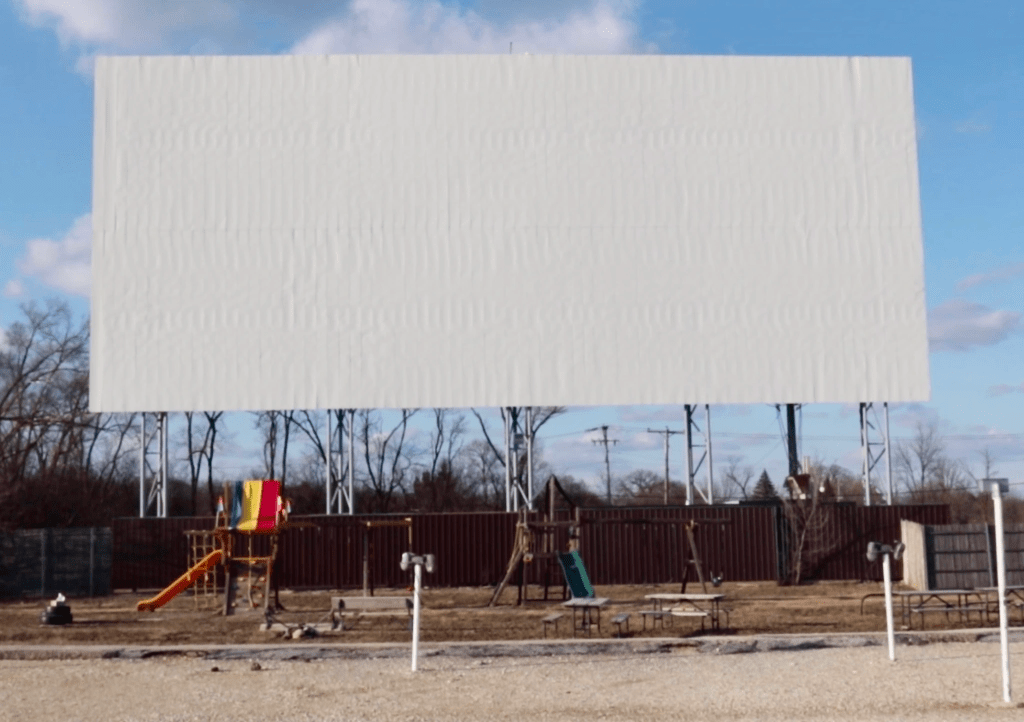
The atmosphere of viewing movies under the stars has been around for decades. Being opened as early as the 1910s, the first officially patented drive-in was not up and running until June 6, 1933, by Richard Hollingshead in New Jersey. He created the concept as a solution for those who were not able to comfortably fit in standard movie theater seats and welcomed all families, regardless of how noisy their children were.
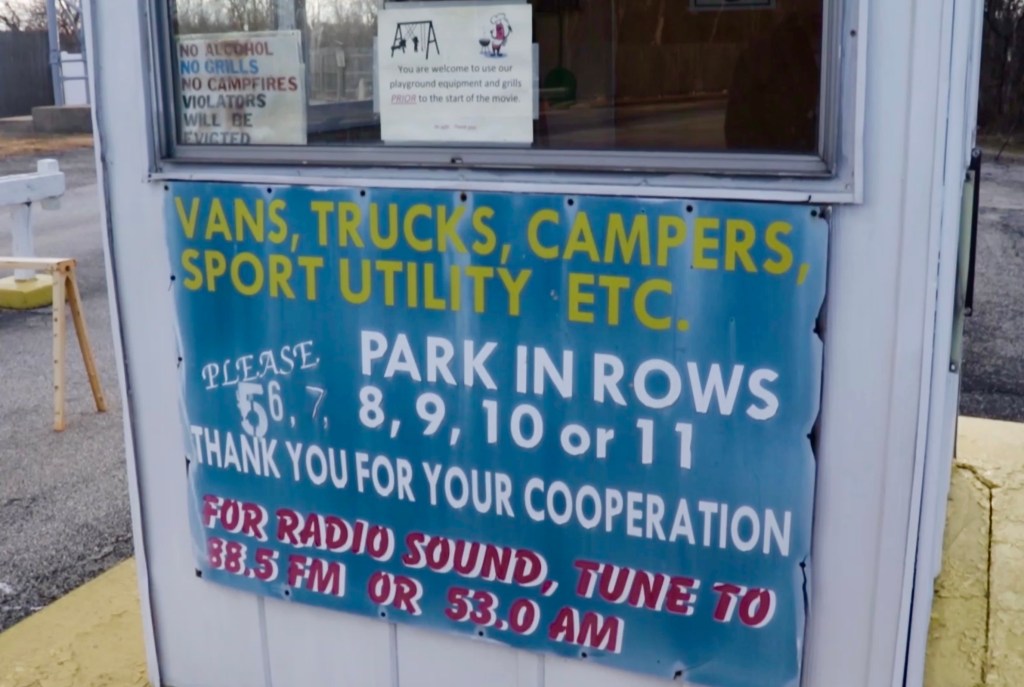
Photo – Michaela Wilson
The successful run of his drive-in inspired many others to pop up across the country, causing the formation of over 4,000 outdoor theaters. However, it was not until the ’50s and ’60s that the U.S. truly saw popularity with drive-ins. It became an experience for families to spend time with one another and even a common date night option as we see in Grease.
But as the decades moved on and movie watching began to change, drive-ins slowly lost their appeal. Today, there are around 300 drive-ins left in operation across the country, with some states, such as Delaware and Louisiana, not having any at all. In Illinois specifically, only three outdoor theaters remain, after the recent closing of Cascade Drive-In back in 2018. The iconic theater opened up in 1961 in West Chicago and thrived for many years before it shut down.
The owner of the drive-in, Jeffrey Kohlberg, leased the land from the Kuhn family and when the lease was not renewed, Cascade had to close its doors. The land was eventually sold to an investment group for $8 million and the new owners currently have no plans for the property, leaving it completely abandoned with previous theater equipment still standing.
“Cascade thrived and was one of the best movie theaters in the country,” Kohlberg said. “Plain and simple, land values and streaming services are killing off movie theaters.”
The new release of different streaming platforms has changed the movie-watching experience we have today. From HBO Max to Netflix, interfaces such as these have made it ten times easier to watch new movies from the comfort of your couch. With more options spanning multiple genres, the appeal to go to a theater and choose from a handful of movies offered that week has gone down immensely. Especially when you look at it from a financial perspective, why pay $15 to view one movie when you can spend that much a month to watch a variety of different films whenever you want?
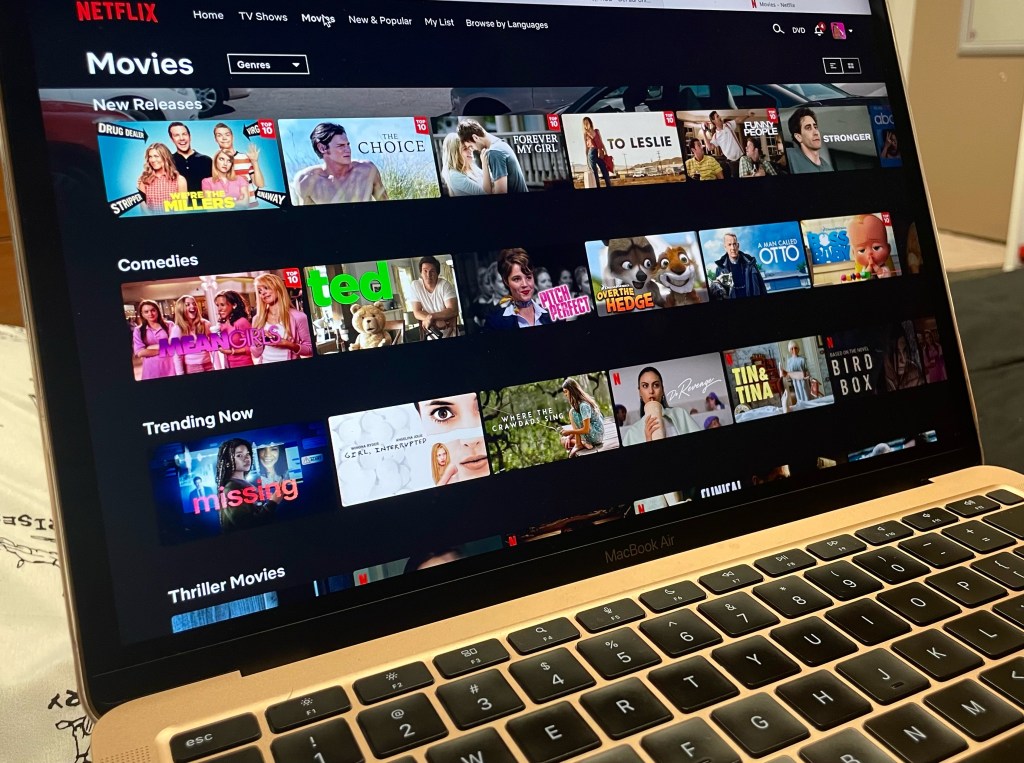
Photo – Michaela Wilson
“Because of their subscription-based revenue stream, streaming platforms have gotten a little more adventurous with the kinds of voices they’re featuring and the stories they’re telling,” Connor Lee O’Keefe, DePaul School of Cinematic Arts Professor, said. “Large chain movie theaters only show a small sliver of what’s now much more widely available at home.”
According to a study done by Statista Research Department in April/May of 2022, approximately 59% of respondents said they either rarely or never go to the movies and about 41% answered sometimes and often. It is fair to attribute these numbers that we are seeing to the pandemic. Since 2020, many large group activities were put on a halt and the transition of getting back to normal has been a slow and steady process. Since so many daily activities have been easily accessible virtually, such as grocery shopping and even working, making the jump back to normality seems less appealing.
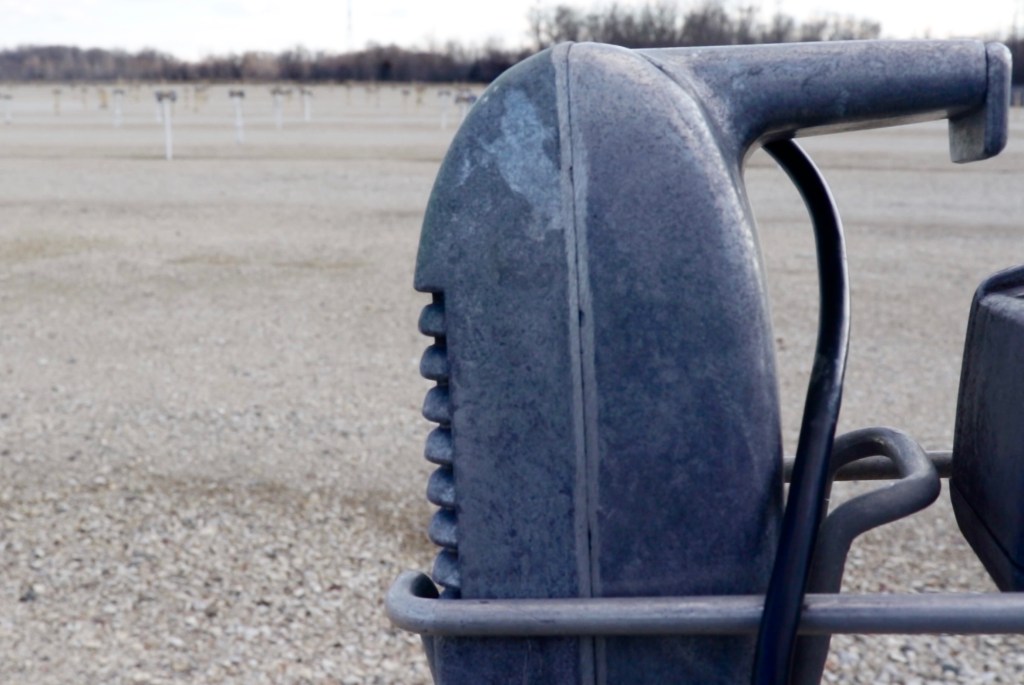
Photo – Michaela Wilson
In 2020, video streaming services worldwide reached 1.1 billion subscriptions, according to the Motion Picture Association. It also was the leading subscription-based service with 78% of households subscribing to one or more streaming services. This has generated $72 billion in 2021 and has a projected revenue of $115 billion by 2026. It is easy to say that these platforms are not going away anytime soon. However, the way we watch movies together and experience these visual stories on screen will always continue to evolve in the future.
“Watching movies together may not always look the same, but as long as we value time in shared spaces, theaters and in-person screenings will continue to exist in some capacity,” O’Keefe said.
The appreciation for films and the tradition of consuming them with others will truly keep the in-person viewing experience alive. Although we may not know to what extent that will be, we hope to not see it die out and leave such an experience as a near memory. We already see a little bit of this happening when it comes to drive-in movie theaters. Many of this generation have never been to a drive-in or even experienced the atmosphere of one. Most of their exposures do not go beyond seeing Danny singing “Sandy” or hearing memories from their parents reminiscing. Now more than ever is the perfect time to change that.
“It’s one of those things that is just really nostalgic,” Alek Popovic, drive-in customer, said. “It’s like a blast from the past.”
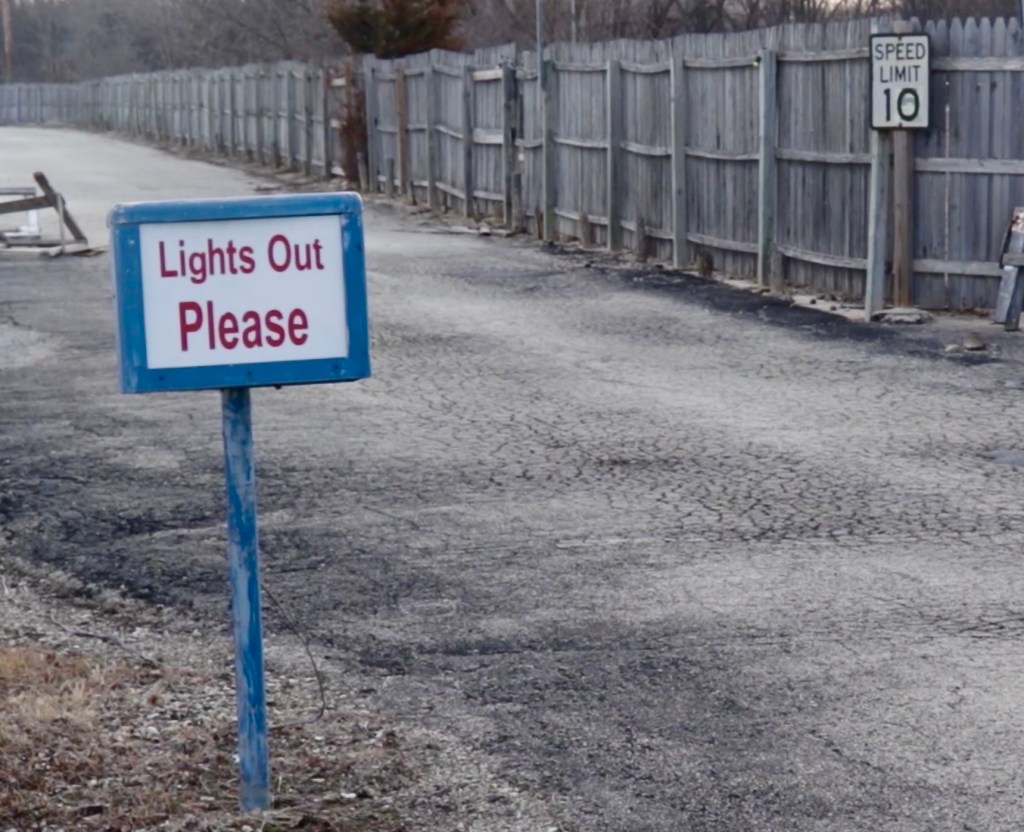
Photo – Michaela Wilson
This unique experience has far too much history to let go of. With it being just in time for the warm season, going to the drive-in will not only keep the culture alive but will also help these outdoor theaters stay afloat so newer generations can bask in their glory down the road. Oh, and finally understand the famous phrase “groovy like a drive-in movie”. But for now, all we can do is appreciate the art of in-person film-watching and continue to carry on these traditions to the future.
Additional Links:
- https://www.nyfa.edu/student-resources/the-history-of-drive-in-movie-theaters-and-where-they-are-now/#:~:text=Though%20there%20were%20drive%2Dins,drive%2Din%20for%20his%20mother.
- https://abc7chicago.com/cascade-drive-in-closes-theatre-west-chicago/5197339/
- https://filmthreat.com/features/the-rise-of-streaming-services-and-their-impact-on-traditional-film-distribution/
- https://www.statista.com/statistics/947757/theaters-streaming-watching-movies/
- https://blog.filmtrack.com/industry-insights/in-the-press/streaming-platforms-and-their-impact-on-the-film-industry
 Michaela Wilson